Edward Fisher
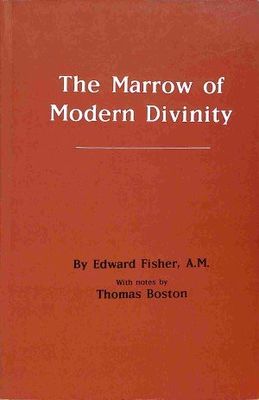
Edward Fisher (fl. 1627–1655) was an English theological writer. Fisher is usually identified with "E.F.". the author of The Marrow of Modern Divinity (1645), a work which influentially stated the doctrine of unconditional grace, and was at the centre of the later Marrow Controversy. While this attribution of the book to Fisher is commonly accepted, it is contested by Alexander Gordon in the Dictionary of National Biography who considers it unlikely on internal evidence. Fisher was the eldest son of Sir Edward Fisher, knight, of Mickleton, Gloucestershire. In 1627 he entered as a gentleman commoner at Brasenose College, Oxford, and graduated B.A. on 10 April 1630. He was noted for his knowledge of ecclesiastical history and classical languages. He was a royalist, and an upholder of the festivals of the church against the Puritans. He based the obligation of the Lord's day purely on ecclesiastical authority, declining to consider it Sabbath. He succeeded to his father's estate in 1654, ... show more
Resources by Author